

Dog owners cut back on themselves to protect pets from cost-of-living crisis
Dog owners are cutting back on their own lifestyles to protect their pets from rising living costs, a study has found.
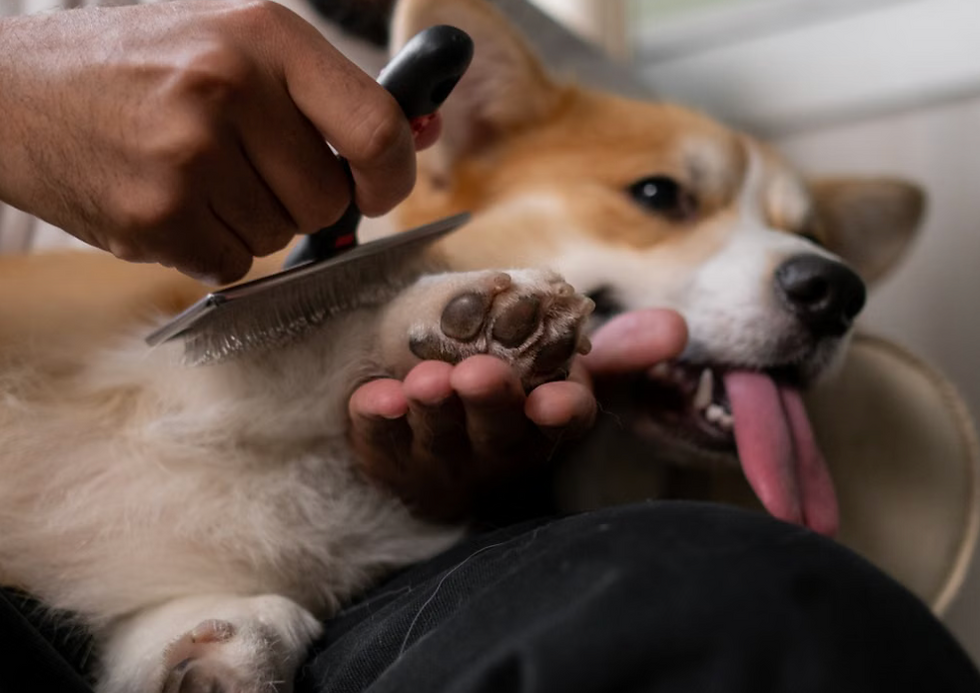
More than a third of owners surveyed by the Royal Veterinary College said financial pressures had affected their household lifestyle, compared with around one in eight who reported a negative impact on their dog’s care.
The findings underline a devotion also seen at the sharpest end of financial hardship, where some people experiencing homelessness forgo a safe place to sleep rather than be separated from their animals.
Charity Street Paws says people can remain on the streets because hostels and temporary accommodation will not accept their pets. Its No One Left Outside campaign calls for housing and homelessness services to support people and their animals together.
The RVC research, which examined household finances and dog care rather than homelessness, surveyed 770 UK owners who bought puppies during the Covid pandemic in 2020.
Their dogs were around three years old when the survey was conducted between November 2022 and January 2024.
Researchers examined spending on 14 aspects of care, including food, grooming, insurance, preventive healthcare, veterinary treatment and behavioural support.
They found 33.6 per cent of respondents reported that the cost-of-living crisis had adversely affected their household lifestyle, while 12.4 per cent reported a negative effect on how they looked after their dog.
Dr Rowena Packer, senior lecturer in companion animal behaviour and welfare science at the RVC and senior author of the study, said: “Dogs in the UK are often regarded as family members, and our findings suggest that many owners are trying to shield them from the financial pressures imposed upon households by the cost-of-living crisis. Owners were almost three times more likely to report that the cost-of-living crisis had affected their own lifestyle than their dog’s care.”
The RVC researchers warned that owners’ efforts to shield their dogs from financial pressures have limits.
More than a fifth of respondents, 21.2 per cent, reported cancelling planned dog training or becoming less likely to seek professional training advice.
Meanwhile, 16.6 per cent reported changes to insurance, including reducing cover, accepting a higher excess, cancelling their policy or deciding against renewal.
Some 15.7 per cent were less likely to use dog walkers or doggy daycare, or had switched to a cheaper service. Among owners who had previously used a professional groomer, 15.6 per cent were using one less often because of rising living costs.
Among respondents whose dog had experienced a health problem in the previous nine months, 14.8 per cent reported potentially negative changes in how they sought veterinary care.
These included spending longer searching online before contacting a vet, using home remedies, or cancelling or delaying a planned appointment.
A further 8.8 per cent reported potentially negative changes to how they sought behavioural support, while 10.8 per cent anticipated needing to make potentially negative changes to their dog’s care during the following six months.
Dr Packer said: “However, there are limits to how much owners can absorb rising costs themselves, and we found financial pressures influencing decisions about their dogs’ care.”
She added: “Helping owners access essential veterinary, preventive and behavioural support during periods of financial hardship could help prevent much more serious welfare problems.”
The study was funded by Battersea and forms part of the RVC’s ongoing Pandemic Puppies research programme.
Simona Zito, grants and programmes manager at Battersea, said: “Understanding the pressures pet owners are under helps us better support owners and shape how we think about dog welfare during difficult times.”
Street Paws’ campaign is calling for support for people with pets to be written into homelessness and housing policy, so that staying with a much-loved animal does not mean sacrificing shelter.
For more information, visit https://streetpaws.org.uk/campaign


