

Vet shares six top tips to stop animals being stressed out at their next appointment
A trip to the vet can become an ordeal before an animal has even reached the waiting room.
From a cat disappearing at the sight of its carrier to a dog trembling in the car, the warning signs can leave owners dreading appointments.
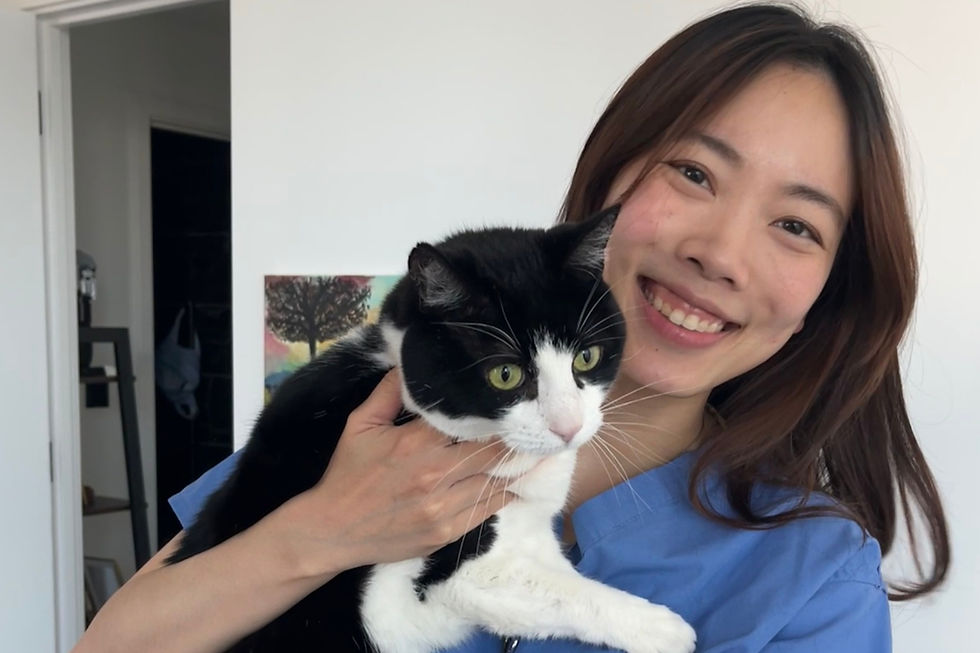
But Salford-based vet May Yean says preparing at home and working with the practice can help make visits calmer for everyone.
May, who shares insights into veterinary life with her social media following, treats dogs, cats and rabbits, as well as smaller pets.
She says: “We want animals to feel safe when they come to see us. If your pet is frightened, tell the team before the appointment so we can plan around their needs.

“The preparation starts at home. Small changes can make a difference, and pets with more severe anxiety may need extra veterinary support.”
Here are her six tips.
Make the carrier part of everyday life
If the carrier only appears before a veterinary appointment, it can quickly become a signal that something worrying is about to happen.
Leave it out at home with familiar bedding inside, allowing your cat to investigate at their own pace. Reward relaxed exploration with treats rather than forcing them through the door.
“Your cat’s first experience of the carrier shouldn’t be being bundled into it when everyone is already running late,” May says.
Prepare a calmer journey
Have everything ready before bringing your pet to the car, and allow enough time to avoid rushing.
Secure carriers appropriately and keep the journey as quiet and smooth as possible.
For cats, a light towel over the carrier can reduce visual stimulation, provided ventilation is maintained and the animal does not overheat.
May also includes Pet Remedy in her approach to supporting nervous patients. Owners can use its calming spray on carrier bedding or a travel blanket, following the product instructions, as one part of their preparation.
Ask about quieter appointments and waiting outside
A busy waiting room can be overwhelming, particularly for cats, rabbits and dogs who are worried by other animals.
Contact the practice beforehand to ask about quieter appointment times. Some owners choose the first appointment in the morning or the last appointment in the evening.
For dogs who find the waiting room stressful, waiting outside or taking a short stroll can help. Tell reception you have arrived and agree how the team will call you in when it is your turn, so you do not have to worry about missing your appointment.
May says this can be better for everyone involved, especially other pets in the waiting room, and the team would much prefer a barking dog to wait outside if that helps them cope.
“Let us know what your pet finds difficult,” May says. “We can’t remove every unfamiliar sound or smell, but we can often make practical adjustments.”
Try a ‘happy visit’
For dogs who can cope with entering the practice, ask whether the team offers short, positive visits without an examination or procedure.
These might involve a treat, a friendly greeting and going home again.
Keep them brief and stop if your dog becomes uncomfortable. The aim is to build confidence at their pace.
Bring rewards, but check first
Favourite treats can help create positive associations, provided the practice has not asked you to withhold food.
Tell the team about dietary restrictions and ask what is suitable for your animal.
A frightened pet refusing food may be struggling to cope. Give them space rather than repeatedly pushing treats towards them.
Get help before anxiety escalates
Natural calming products including Pet Remedy and environmental changes may form part of a support plan, but severe fear needs veterinary assessment.
Some animals benefit from prescription medication before appointments. The choice and timing must be decided by their vet.
“Medication can be an important welfare tool,” May says. “We don’t want pets repeatedly experiencing overwhelming fear when there are ways to help them.”
Follow May on Instagram: @mayyeanc


