

Your dog isn’t naughty, they’re overwhelmed: Veteran trainer urges owners to read the signs
Dogs who chew treasured possessions, bite their leads or jump up at visitors could be struggling with their emotions rather than deliberately misbehaving, a veteran dog trainer has warned.
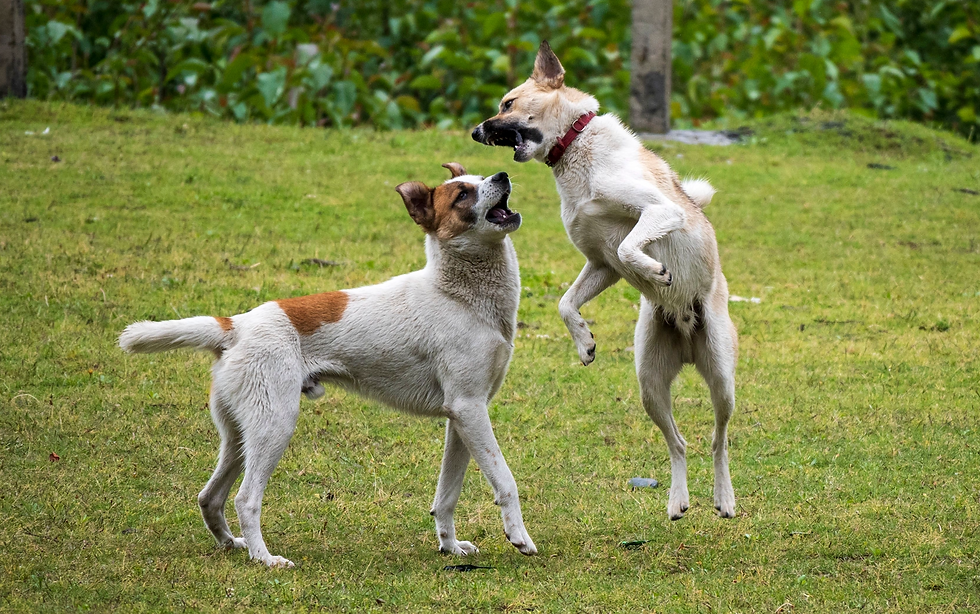
Debbie Potter, who runs Potter Paws in Aylesbury, Buckinghamshire, is urging owners to look beyond the “naughty” label and consider what their pet’s behaviour might be telling them.
She says frustration, boredom and overwhelm can all contribute to unwanted behaviour, particularly in puppies and adolescent dogs up to around two years old.
And while a dog grabbing the lead halfway through a walk might test an owner’s patience, their response could inadvertently turn the situation into a game.
Debbie said: “Dogs are not setting out to be devious or to wind us up, although it can certainly feel that way, because these behaviours affect us, leave us feeling frustrated and out of control, and sometimes genuinely hurt.”
Writing in her latest advice blog, Debbie explained that a busy walk, too little stimulation or being asked to concentrate for too long can leave young dogs struggling to cope.
Like young people, they are still developing the skills to manage their feelings and need help recognising when things are getting too much.

“A great deal of what gets called naughty is actually overwhelm, and this is especially common in puppies and adolescent dogs up to around two years old,” she said.
“It can seem strange to think of a dog feeling overwhelmed when they have no bills to pay or jobs to juggle, but their overwhelm comes from different places.”
Rather than focusing solely on stopping an unwanted habit, Debbie encourages owners to consider what the dog gets out of it and offer a more suitable alternative.
Lead biting and shaking, for example, may provide an outlet for frustration. But pulling back can make the activity even more rewarding.
“When we respond by holding on tighter, we add tension to pull against and accidentally create a game of tug, and before long the lead and a toy feel like much the same thing to your dog,” she said.
Her advice is to spot the build-up early and give the dog another activity, such as sniffing out a few scattered treats, before they begin grabbing the lead.
Timing matters. Waiting until the biting has started could inadvertently reward the very behaviour an owner wants to discourage.
Debbie said: “The answer is to work out what the behaviour achieves and offer another way to achieve it that is easier to live with.”
She also urges owners to pay attention to quieter signals that may precede a more obvious outburst.
Scratching at a harness, for example, can indicate discomfort, but may also be a way for a dog to pause and cope when finding a situation difficult.
Debbie stresses that context and individual patterns matter, rather than assuming every scratch means the same thing.
Learning to recognise those signals can help owners respond before frustration escalates into jumping, mouthing or lead grabbing.
Her message is that a change in perspective can make difficult moments easier to understand.
“So the next time your dog does something that winds you up, pause and ask yourself what else it might be telling you,” she said.
“A dog who seems like the naughtiest in the world is usually a dog who simply needs a little more understanding and support with their emotions.”


