

Purr-fect therapy: How herbs could transform your cat’s wellbeing
Cat owners are being urged to rethink everything they know about feline enrichment after a standout talk at a major animal welfare conference revealed the surprising power of herbs to boost cats’ emotional health.
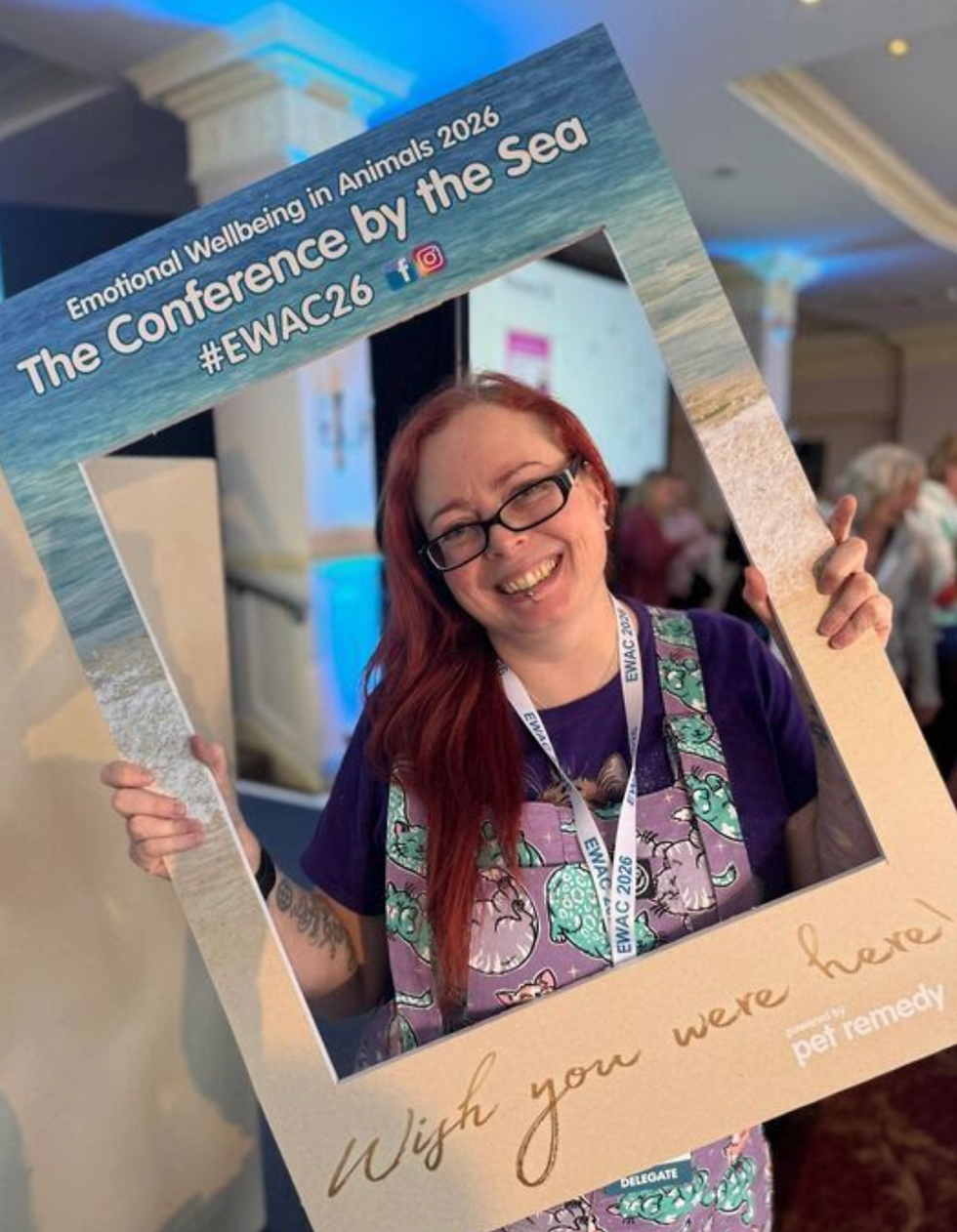
Speaking at the Emotional Wellbeing in Animals Conference, hosted by Pet Remedy, feline specialist Katie Gwilt delivered a compelling message, cats don’t just enjoy stimulation, they need it, and their sense of smell could be the key to unlocking a calmer, happier life.
Her talk, Using Herbs to Enrich the Lives of Cats, laid bare a simple truth that many owners overlook: while humans rely heavily on sight, cats live in a world dominated by scent.
With up to 200 million smell receptors compared to just four million in humans, cats are estimated to be up to 14 times more sensitive to scent, meaning the smells in our homes, from cleaning products to perfumes, can have a profound impact on their wellbeing.
Katie highlighted a growing trend driven by rising pedigree ownership, safety concerns and changing lifestyles, which has led to fewer opportunities for natural outdoor enrichment.
Drawing on the science of zoopharmacognosy, the natural ability of animals to self-medicate, Gwilt encouraged owners to offer a selection of safe herbs and allow their cats to choose what they need.
It’s a method already observed in the wild, where animals instinctively select plants to soothe ailments, fight parasites or calm anxiety.
And, she explained, domestic cats retain that same instinct.
In practical terms, the approach is refreshingly simple. Owners can lay out a blanket and place small amounts of different herbs in separate areas, allowing the cat to explore and select freely, rather than mixing anything into food or water.
Cats may roll, groom, blink slowly or even enter a relaxed, trance-like state, all signs they are responding positively and regulating their own emotional state.
Among the herbs recommended for beginners are valerian root, chamomile, calendula, peppermint and, of course, catnip, although sensitivity to catnip is genetically determined.
Importantly, Katie stressed that herbal enrichment should complement, not replace, veterinary care, and owners should always check for underlying health issues or contraindications before introducing botanicals.
The broader takeaway from her talk was clear: enrichment isn’t a luxury, it’s a necessity, especially for indoor cats whose worlds are often far smaller than we realise.
By engaging their most powerful sense, smell, owners can give their cats not just stimulation, but choice, agency and a way to self-regulate in an increasingly artificial environment.
From Garston, Liverpool, Katie is a holistic mobile cat groomer and behaviour specialist with a background in biochemistry and neurobiology.
She has spent years studying feline behaviour, nutrition and alternative therapies, and previously taught cat grooming as part of the UK’s only OFQUAL-recognised qualification in the field.
Now known as ‘The Kat Lady’, she has built a reputation for blending science with a deeply intuitive understanding of cats, helping owners see the world through their pets’ eyes.
Her appearance at the Pet Remedy-hosted conference underlined a growing shift within the animal care sector, one that places emotional wellbeing alongside physical health.
Find out more at www.thekatlady.co.uk


